
If you have ever heard that HPV can affect the mouth and throat, you are not alone, and you are not overthinking it. Human papillomavirus, often called HPV, is extremely common, and certain strains are linked to cancers in the back of the mouth and throat. That can sound alarming, however knowledge is power. When patients understand risk factors, symptoms, and screening habits, they can take simple steps that support early detection and better outcomes.
At Nova Dental, we see Oral Cancer Awareness Month as a great reminder to talk about this topic in a practical, patient friendly way. Whether you visit our Tampa office or our Trinity office, our goal is the same: help you feel informed, supported, and confident about your oral health.
What Is HPV, And Why Does It Matter In Dentistry?
HPV is a group of viruses with many different types. Some types are considered low risk and may cause skin or mucosal changes, while other types are considered high risk and can increase the chance of certain cancers. In dentistry, the key concern is HPV related changes that can occur in the oropharyngeal region, this includes areas like the base of the tongue, tonsils, and the back of the throat.
Because these areas are not always easy to see at home, professional exams matter. A routine dental visit is not only about cavities, cleanings, or gum health. It is also a time for your dentist to evaluate tissues, look for changes, and ask the right questions when something does not look normal.
How HPV Related Oral Cancers Can Present
HPV related cancers often develop in the throat area rather than on the front of the mouth. That difference can make early signs easier to miss. Some patients do not notice anything at first, and others notice symptoms that seem unrelated to dentistry. The important thing is not to panic, it is to pay attention to persistent changes and get evaluated.
Signs That Should Not Be Ignored For More Than 2 To 3 Weeks
- A sore throat that does not improve
- Difficulty swallowing, or pain when swallowing
- A lump in the neck
- A persistent feeling that something is stuck in the throat
- Voice changes that linger
- Unexplained bleeding in the mouth
- Numbness, tenderness, or pain that does not resolve
- A sore or ulcer in the mouth that does not heal
- Red or white patches that remain in the same spot
Many of these symptoms can come from noncancerous causes, such as infections, reflux, or irritation. Still, the best approach is simple: if it persists, get it checked.
Risk Factors That Increase Concern
It is possible to have HPV related concerns without traditional risk factors like tobacco use. That is one reason awareness is so important. Still, there are several factors that can raise overall oral cancer risk and deserve honest discussion.
Tobacco Use
Smoking, vaping, chewing tobacco, and other nicotine products can irritate tissues and increase oral cancer risk. Tobacco is also associated with gum disease, tooth loss, and slower healing, so quitting supports your health in several ways.
Heavy Alcohol Use
Excessive alcohol consumption can increase oral cancer risk, especially when combined with tobacco. If alcohol is part of your lifestyle, moderation is a protective step.
HPV Exposure
HPV exposure is common. Most people never develop serious problems, however certain high risk strains can be associated with throat cancers.
Additional Considerations
- A history of oral cancer or precancerous lesions
- Age, risk increases as people get older
- Weakened immune system
- Prolonged sun exposure, especially for lip changes
What An Oral Cancer Screening Looks Like At Nova Dental
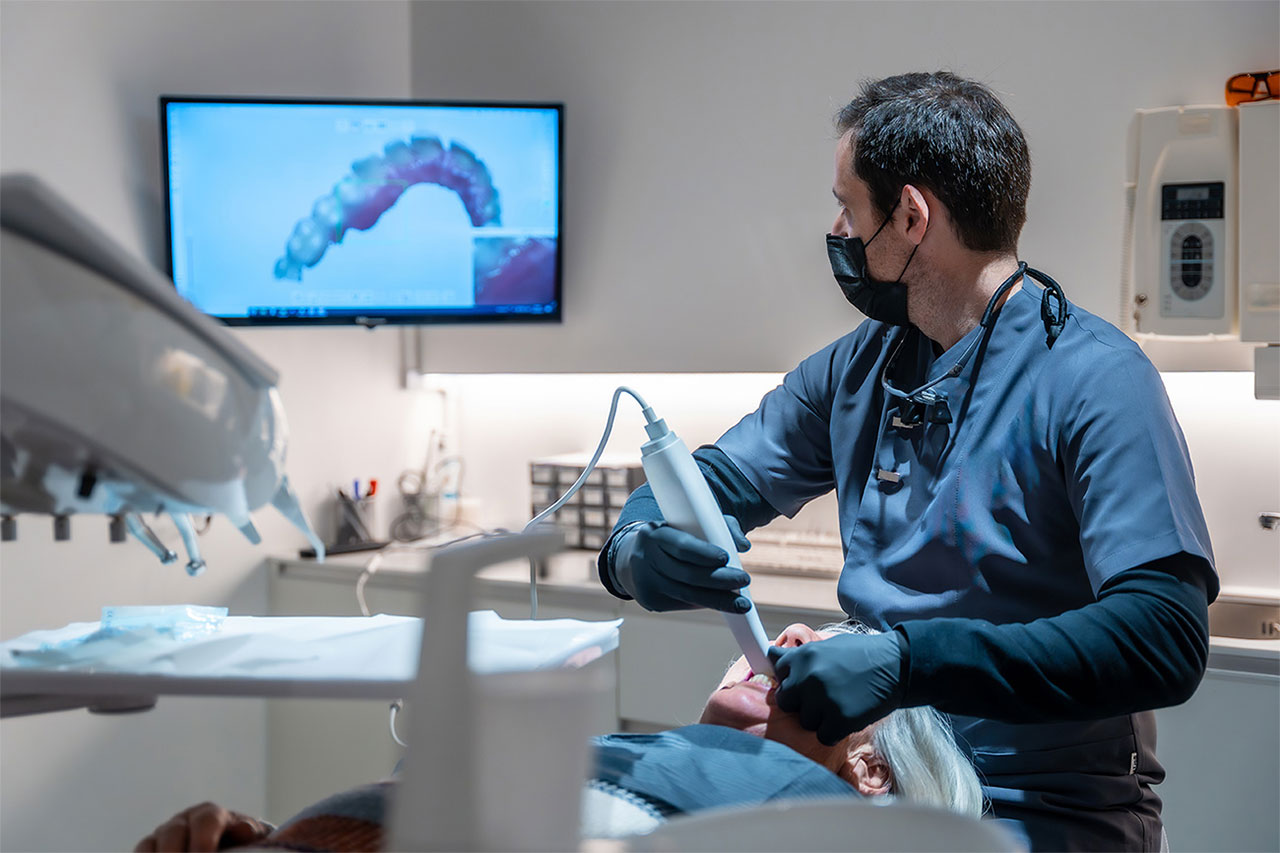
An oral cancer screening is typically quick, comfortable, and easy to add to a routine exam. At Nova Dental in Tampa and Trinity, your screening may include:
- A visual evaluation of the lips, cheeks, gums, tongue, and palate
- A check under the tongue and along the floor of the mouth
- An evaluation of the throat area as appropriate
- A gentle palpation of the neck and jawline to check for lumps or unusual swelling
- Questions about symptoms you may have noticed, such as soreness or difficulty swallowing
If we see something that looks unusual, we will explain it clearly. In many cases, the next step is monitoring, documenting changes, or recommending follow up evaluation. The goal is to take tissue changes seriously without creating unnecessary stress.
How This Helps You, Practical Advantages Of Staying Proactive
This is the part many patients appreciate most, screening and awareness are not abstract. They support real peace of mind and real health protection.
- You get professional eyes on tissues that are hard to evaluate at home
- Small changes can be addressed sooner, before they become bigger issues
- You build a habit of noticing what is normal for your mouth
- You reduce the risk of delayed diagnosis, which is a major reason oral cancers are found late
- You create an opportunity to discuss personalized risk factors in a nonjudgmental setting
What You Can Do At Home, Simple Monthly Self Checks
A monthly self check is not meant to replace a professional screening, however it helps you notice changes. Choose a time, use good lighting, and spend a few minutes looking and feeling.
A Quick Self Check Routine
- Look at your lips and inside cheeks for sores or patches
- Check your gums and the roof of the mouth
- Stick out your tongue and check the top and sides
- Lift your tongue and check underneath
- Feel along the jawline and neck for lumps or tenderness
If you see something new that does not improve within 2 to 3 weeks, schedule a screening.
Prevention That Supports Long Term Oral Health
Prevention is not about perfection. It is about lowering risk where you can and staying consistent with exams.
Tobacco And Alcohol
If you use tobacco, consider a quit plan and support resources. If alcohol use is frequent or heavy, reducing intake is a protective step.
Vaccination And Medical Conversations
If you have questions about HPV vaccination, talk with your physician. Many patients appreciate guidance on what questions to ask and what timing is appropriate.
Healthy Habits
- Brush twice daily and floss daily
- Keep up with routine cleanings and exams
- Manage dry mouth, especially if medications contribute
- Wear a mouthguard for sports, use a nightguard if you grind
- Eat a balanced diet that supports immune health
Why This Topic Matters For Tampa And Trinity Families
We treat many busy families and working professionals who are juggling a lot. It is easy to postpone a visit when nothing hurts. Oral cancer awareness exists because waiting for pain is not a reliable strategy. Regular screenings create a steady rhythm of early detection, education, and prevention.
If you live near Tampa, Westchase, Oldsmar, Town N Country, or you are closer to Trinity and the surrounding communities, having two Nova Dental locations makes it easier to stay consistent with care.
Schedule Your Oral Cancer Screening With Nova Dental
If you have noticed a persistent sore, patch, lump, or throat symptom, or if you simply want peace of mind, an oral cancer screening is a smart next step. Oral cancer is often found too late, and regular dental screenings can play a key role in early detection.
To schedule an Oral Cancer Screening, contact Nova Dental in Tampa at (813) 510-3156 and in Trinity at (727) 835-6001.