
A cracked tooth can be confusing. Sometimes it causes sharp pain when you bite, but then the discomfort disappears. Other times, the tooth feels sensitive to cold, heat, or sweets. Because cracks can be hard to see, professional evaluation is important. At Nova Dental, we help patients with cracked, broken, and painful teeth through our Restorative Dentistry services in Tampa and Trinity.
Cracked tooth treatment in Tampa and Trinity depends on the size, location, and depth of the crack. Some cracks can be repaired with bonding or a filling, while others need a crown, root canal therapy, or extraction. The sooner a cracked tooth is evaluated, the better the chance of saving it with conservative care.
Why Cracked Teeth Can Be Difficult To Diagnose
Cracks are not always obvious. A tooth may look normal during a quick glance, yet still have a fracture line that opens slightly when you chew. This can irritate the inner structures of the tooth and cause sharp, brief pain.
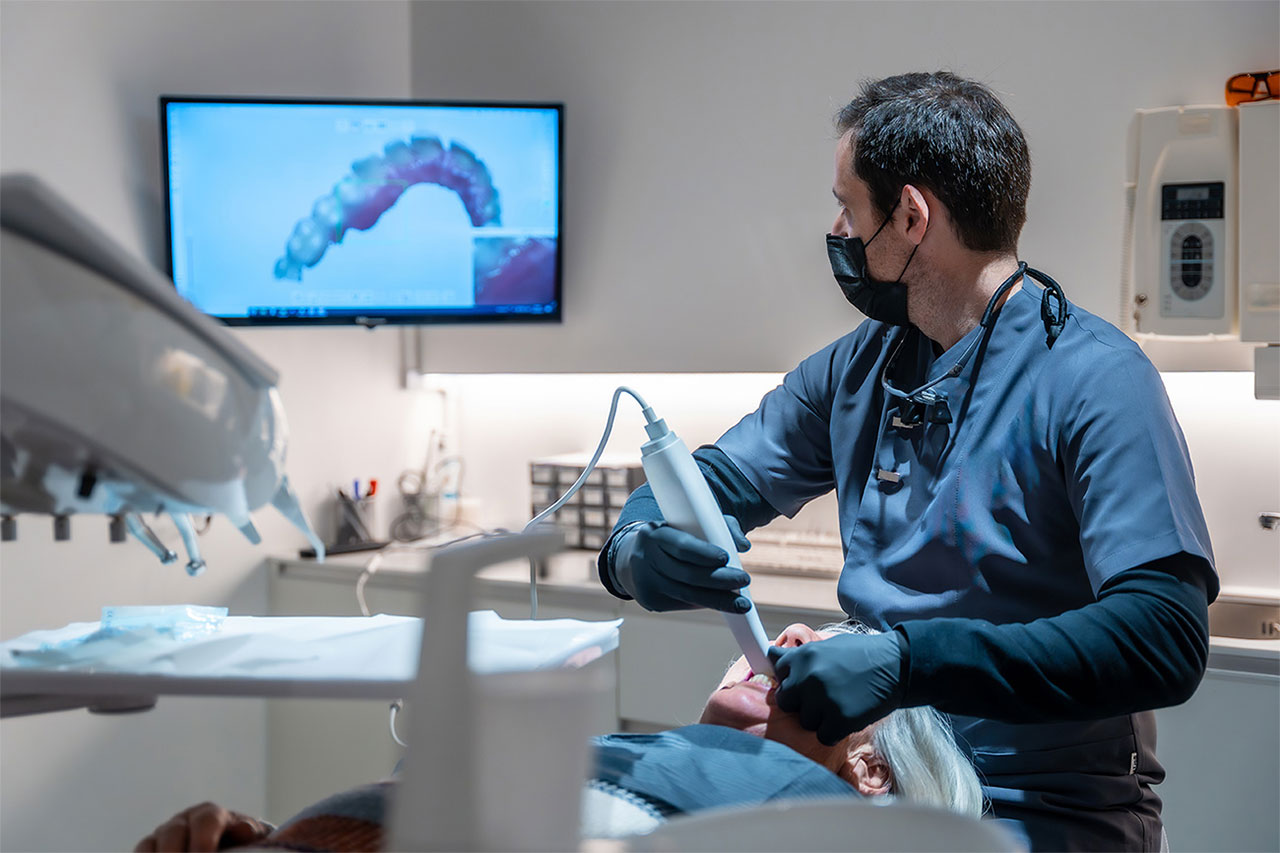
Cracks may also hide under old fillings or between teeth. Your dentist may need to use magnification, bite testing, imaging, and symptom review to identify the problem. Even then, some cracks reveal themselves gradually over time.
Common Signs Of A Cracked Tooth
You may have a cracked tooth if you notice:
- Sharp pain when biting or releasing pressure
- Sensitivity to cold, heat, or sweets
- Pain that comes and goes without a clear pattern
- Discomfort around an old filling
- A rough or sharp edge
- Swelling near a specific tooth
- A tooth that feels different when chewing
If pain is severe, swelling develops, or the tooth breaks visibly, schedule care promptly.
What Causes Teeth To Crack?
Cracks can happen suddenly or develop slowly. Common causes include chewing ice, biting hard foods, grinding or clenching, large old fillings, trauma, and natural wear. Teeth with extensive dental work may be more vulnerable because less natural structure remains.
Temperature changes can also stress teeth. For example, biting something hard after drinking a very hot or cold beverage may contribute to stress in the enamel. While teeth are strong, they are not indestructible.
Types Of Tooth Cracks
Craze Lines
Craze lines are tiny surface cracks in enamel. They are usually cosmetic and often do not require treatment unless they affect appearance.
Fractured Cusp
A cusp is part of the chewing surface. If a cusp breaks, the tooth may need a filling or crown depending on how much structure is lost.
Cracked Tooth
A crack may extend from the chewing surface toward the root. If treated early, a crown may protect the tooth. If the crack reaches the nerve, root canal therapy may be needed.
Split Tooth
A split tooth means the crack has separated the tooth into segments. In many cases, extraction may be necessary.
Vertical Root Fracture
This type begins in the root and can be difficult to detect. It may cause infection around the root and often requires advanced evaluation.
Benefits Of Cracked Tooth Treatment In Tampa And Trinity
- Helps relieve pain when biting or chewing
- Improves the chance of saving the tooth when treated early
- Can prevent a small crack from becoming a larger fracture
- Protects weakened teeth with restorations such as crowns when needed
- Reduces the risk of infection if the crack exposes deeper tooth layers
- Restores chewing comfort and bite stability
- Helps identify grinding or clenching habits that may be causing damage
- Provides a clear plan instead of waiting for symptoms to worsen
Treatment Options For A Cracked Tooth
Dental Bonding
Small chips or minor surface cracks may be repaired with tooth colored bonding. This is a conservative option when the damage is limited.
Tooth Colored Filling
If decay or a small fracture affects part of the tooth, a filling may restore the damaged area.
Dental Crown
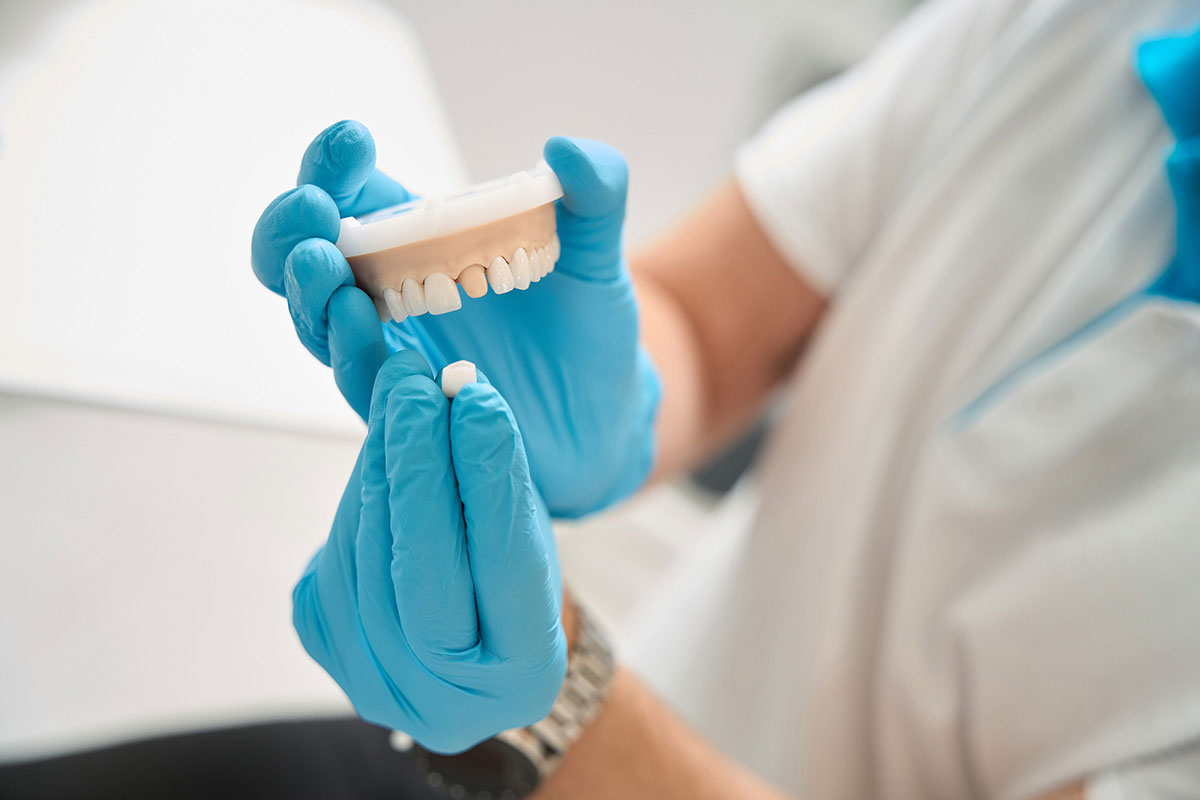
A crown covers and protects the tooth. This is often recommended when a crack weakens the tooth but the root remains healthy. A crown helps distribute chewing forces and reduce the chance of further fracture.
Root Canal Therapy
If the crack reaches the nerve or causes infection, root canal therapy may be needed before the tooth is restored with a crown.
Tooth Extraction
If the crack extends too deep or the tooth cannot be saved predictably, extraction may be the healthiest option. Your dentist can then discuss replacement options such as a bridge, partial denture, or implant restoration.
What To Do If You Think You Cracked A Tooth
Until you are seen, avoid chewing on the affected side. Rinse gently with warm water if the tooth feels irritated. If there is swelling, use a cold compress on the outside of the face. If a piece broke off, save it and bring it to your visit.
Do not ignore pain that happens when biting. This is one of the classic signs of a crack. Waiting can allow the crack to deepen and make treatment more complex.
How To Prevent Cracked Teeth
While not every crack can be prevented, you can reduce risk. Avoid chewing ice, hard candy, popcorn kernels, and non food objects. Do not use your teeth to open packages. If you grind or clench, ask about a custom nightguard. Keep regular dental exams so old fillings, bite issues, and wear patterns can be monitored.
If you play contact sports, a mouthguard can help protect teeth from trauma. Prevention is especially important if you already have large fillings or crowns.
Why Choose Nova Dental For Cracked Tooth Care?
Nova Dental provides cracked tooth treatment in Tampa and Trinity with careful diagnosis, clear communication, and comfort focused care. We explain what we see, what treatment options are available, and which choice is most likely to protect your tooth long term.
If you have sharp pain when biting, sensitivity, or a visible break, do not wait for the problem to get worse. Call Nova Dental in Tampa at (813) 510-3156 or in Trinity at (727) 835-6001 to schedule an evaluation.