A missing tooth can affect more than your smile. It can change how you chew, how your teeth fit together, and how confident you feel when speaking or laughing. For many patients, a dental bridge is a dependable, natural looking solution. At Nova Dental, we help patients compare tooth replacement options through personalized care at our Tampa and Trinity locations. To learn more about related treatments, visit our Restorative Dentistry page.
Dental bridges in Tampa and Trinity can restore function, fill visible gaps, and help prevent neighboring teeth from drifting out of place. If you are missing one tooth or several teeth in a row, a bridge may be a practical solution that fits your goals, timeline, and budget.
What Is A Dental Bridge?
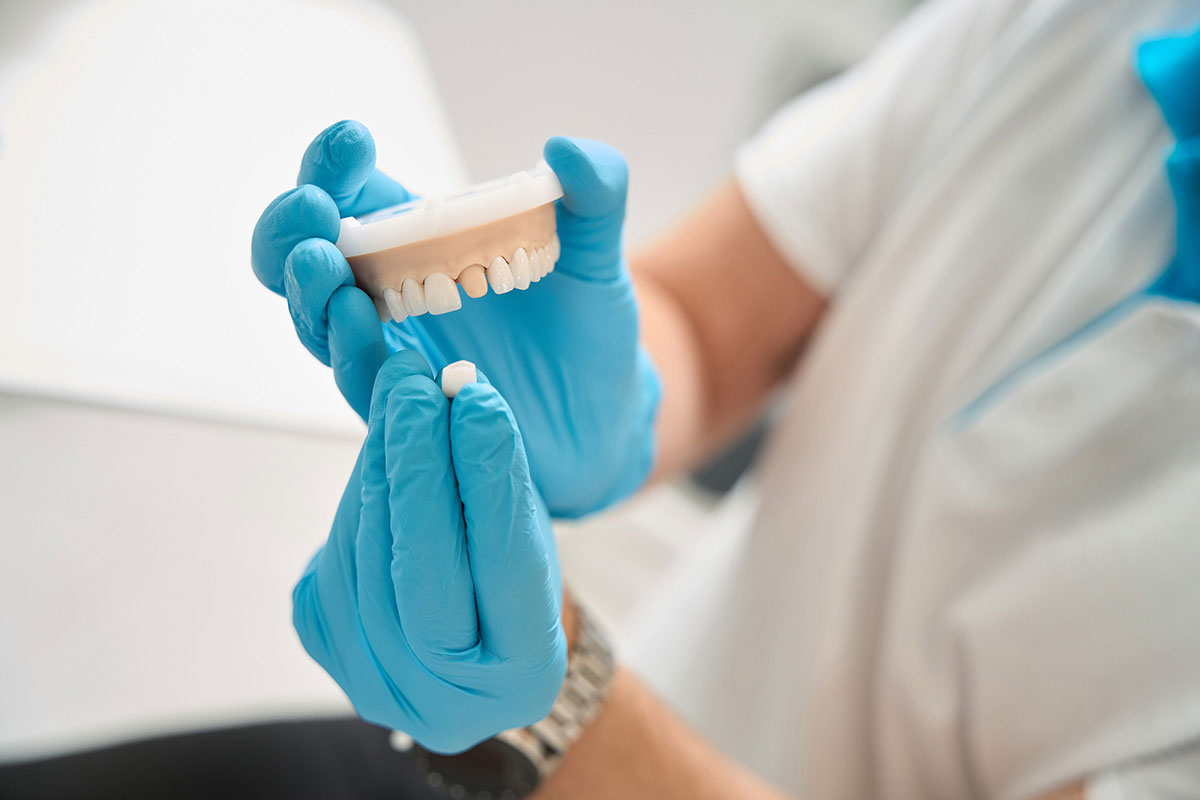
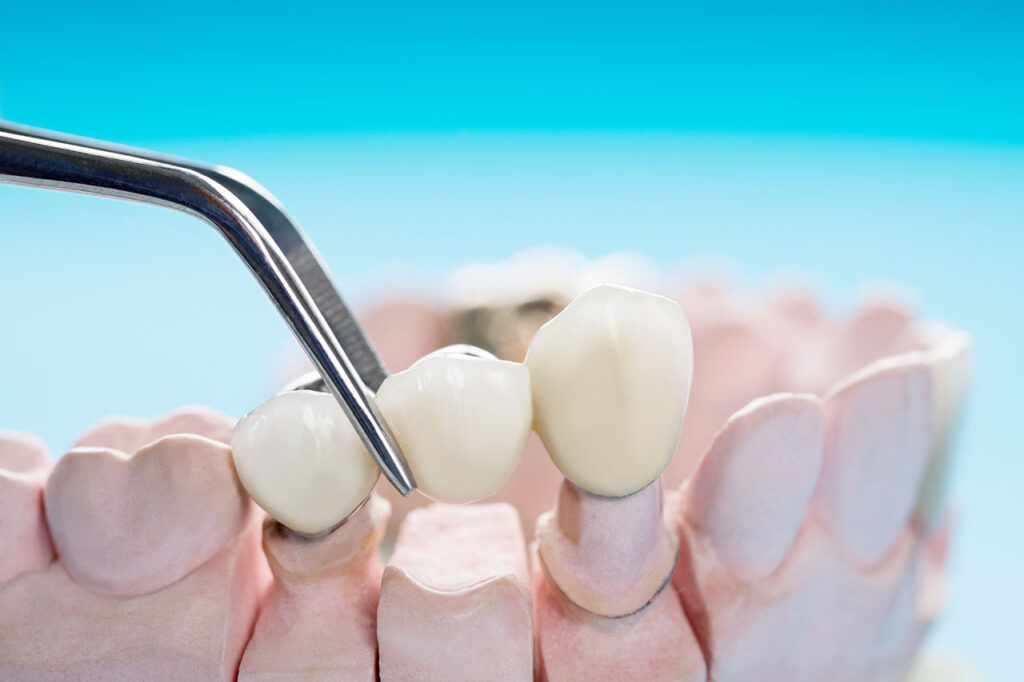
A dental bridge is a fixed restoration used to replace one or more missing teeth. It usually includes one or more artificial teeth, called pontics, that are held in place by crowns on neighboring teeth or by dental implants. The bridge is custom made to match your bite and smile, so it feels comfortable and looks natural.
Unlike a removable partial denture, a traditional bridge stays in place. You do not take it out at night, and you do not need adhesives. Once it is placed, it becomes part of your everyday smile.
Why Replacing A Missing Tooth Matters
Some patients assume a missing back tooth is not urgent because it does not show when they smile. However, teeth work together as a system. When one tooth is missing, nearby teeth can lean or shift into the open space. The opposing tooth may also begin to move because it no longer has a partner to bite against.
Over time, these changes can create bite problems, food traps, gum irritation, and increased wear on other teeth. Replacing a missing tooth helps protect balance and function, not just appearance.
Types Of Dental Bridges
Traditional Dental Bridge
A traditional bridge is supported by crowns placed on the teeth next to the gap. This is one of the most common types of bridges. It can be a strong option when the neighboring teeth already need crowns or have large fillings.
Implant Supported Bridge
An implant supported bridge is attached to dental implants rather than natural teeth. This option may be recommended when several teeth are missing in a row, or when preserving neighboring teeth is a priority.
Cantilever Bridge
A cantilever bridge is supported on only one side. It is used less often and only in specific situations, because bite forces must be carefully considered.
Maryland Bridge
A Maryland bridge uses a framework bonded to the back of nearby teeth. It is sometimes used for front tooth replacement, depending on the bite and clinical situation.
Benefits Of Dental Bridges In Tampa And Trinity
- Replaces missing teeth with a fixed, non removable solution
- Helps restore chewing comfort and bite balance
- Fills visible gaps for a more complete smile
- Prevents nearby teeth from drifting into the empty space
- Can be completed more quickly than some implant based options
- May be a strong choice when neighboring teeth already need crowns
- Custom shade matching helps the bridge blend with natural teeth
- Supports clearer speech when missing teeth affect pronunciation
The Dental Bridge Process
The process begins with a consultation. Your dentist evaluates the missing tooth area, the neighboring teeth, gum health, and bite alignment. Digital images or X-rays may be recommended to understand the full picture.
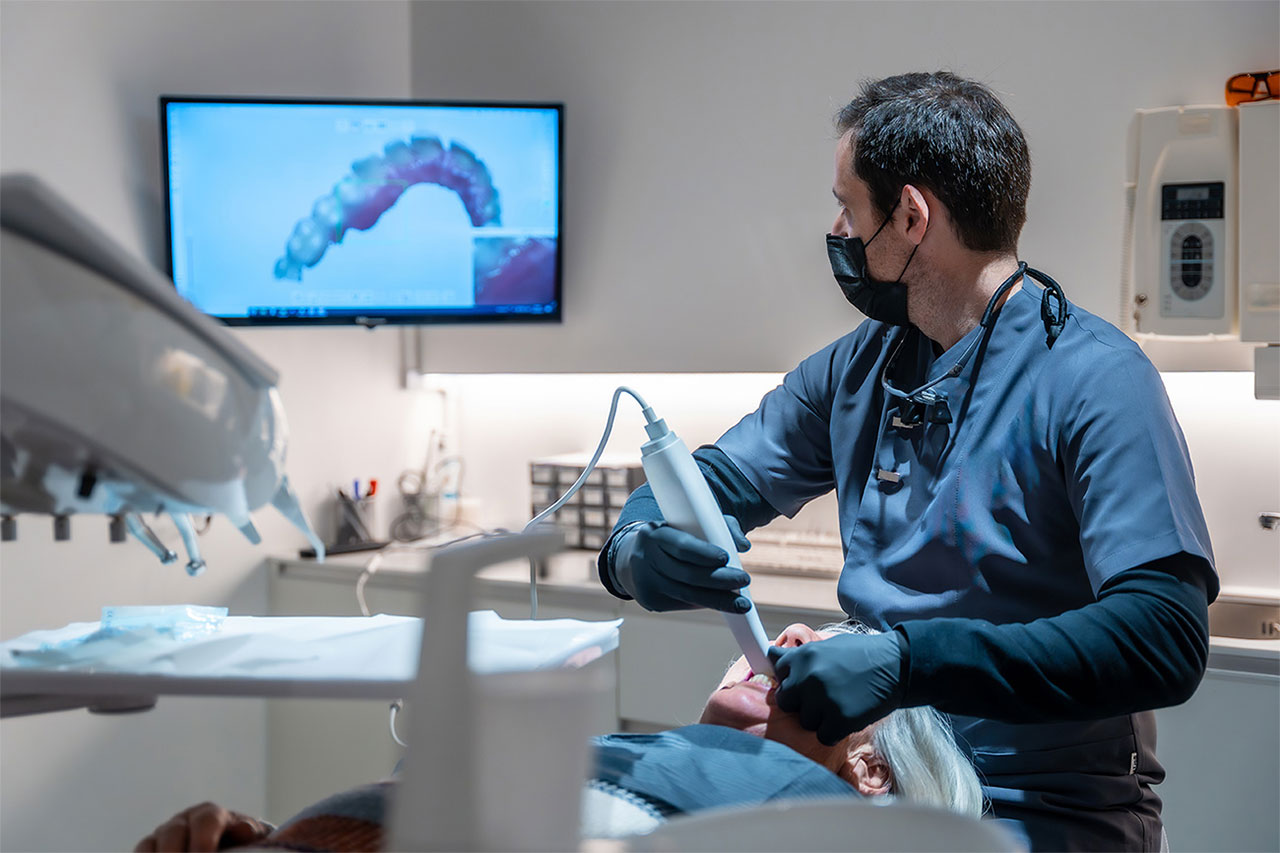
If a traditional bridge is the best option, the supporting teeth are shaped so crowns can fit over them. Then impressions or digital scans are taken. These records are used to create a custom bridge that matches your mouth. A temporary bridge may be placed while the final restoration is made.
At the final visit, your dentist checks the fit, color, bite, and comfort before securing the bridge. The goal is a restoration that feels stable, looks natural, and allows you to chew comfortably.
Bridge Versus Implant, Which Is Right For You?
Both bridges and dental implants can replace missing teeth, but they work differently. A bridge uses neighboring teeth or implants for support. A single dental implant replaces the missing tooth root and supports a crown.
A bridge may be a great option if you want a faster timeline, if neighboring teeth already need crowns, or if implant placement is not ideal for medical, anatomical, or budget reasons. An implant may be preferred when the neighboring teeth are healthy and you want to avoid preparing them for crowns.
At Nova Dental, we do not believe in one size fits all treatment. We explain the advantages, limitations, costs, and timelines so you can choose confidently.
How To Care For A Dental Bridge
Dental bridges require good daily care because plaque can collect around the crowns and under the artificial tooth. Your dentist or hygienist will show you how to clean around the bridge using floss threaders, super floss, interdental brushes, or a water flosser.
Helpful habits include brushing twice daily, cleaning under the bridge every day, avoiding chewing ice or hard objects, and keeping routine dental exams. If you grind your teeth at night, a nightguard may help protect the bridge from excessive force.
How Long Does A Dental Bridge Last?
A bridge can last for many years with proper care. Longevity depends on home hygiene, bite forces, the health of the supporting teeth, and regular professional maintenance. If plaque builds up around the bridge, decay can develop at the crown margins. That is why consistent cleaning is essential.
Routine checkups also allow your dentist to monitor the bridge, evaluate bite changes, and catch any concerns early.
Who Is A Good Candidate For A Dental Bridge?
You may be a good candidate if you are missing one or more teeth and have healthy supporting teeth or implants available. Gum health is also important, because a bridge needs stable tissue around it. If gum disease is present, we may recommend periodontal treatment first.
Good candidates also understand the importance of daily cleaning under and around the bridge. With the right care, a bridge can be a comfortable and attractive tooth replacement option.
Why Patients Choose Nova Dental For Dental Bridges
Nova Dental offers restorative care in both Tampa and Trinity, making it easier to plan visits around work, family, and daily life. Our team focuses on comfort, careful planning, and clear communication. We want every patient to understand their options before treatment begins.
If you are missing a tooth and want a fixed replacement option, dental bridges in Tampa and Trinity may be right for you. Call Nova Dental in Tampa at (813) 510-3156 or in Trinity at (727) 835-6001 to schedule a consultation and learn which tooth replacement option fits your smile best.