Imagine enjoying a meal when you suddenly feel something hard move in your mouth. You realize that a dental crown has loosened or completely come off. Although this situation can feel unexpected, knowing what to do can help protect your tooth and reduce unnecessary discomfort. At Nova Dental, our restorative dentistry services help patients in Tampa and Trinity address damaged, loose, or missing dental restorations.
Loose or lost dental crowns in Tampa and Trinity are concerns that should receive professional attention, even when the affected tooth does not hurt. A crown protects a tooth that may have been weakened by decay, fractures, or previous dental treatment. When that protection is lost, the underlying tooth may become sensitive or vulnerable to additional damage. Fortunately, many crown problems can be evaluated and treated before more extensive complications develop.
What Is A Dental Crown?
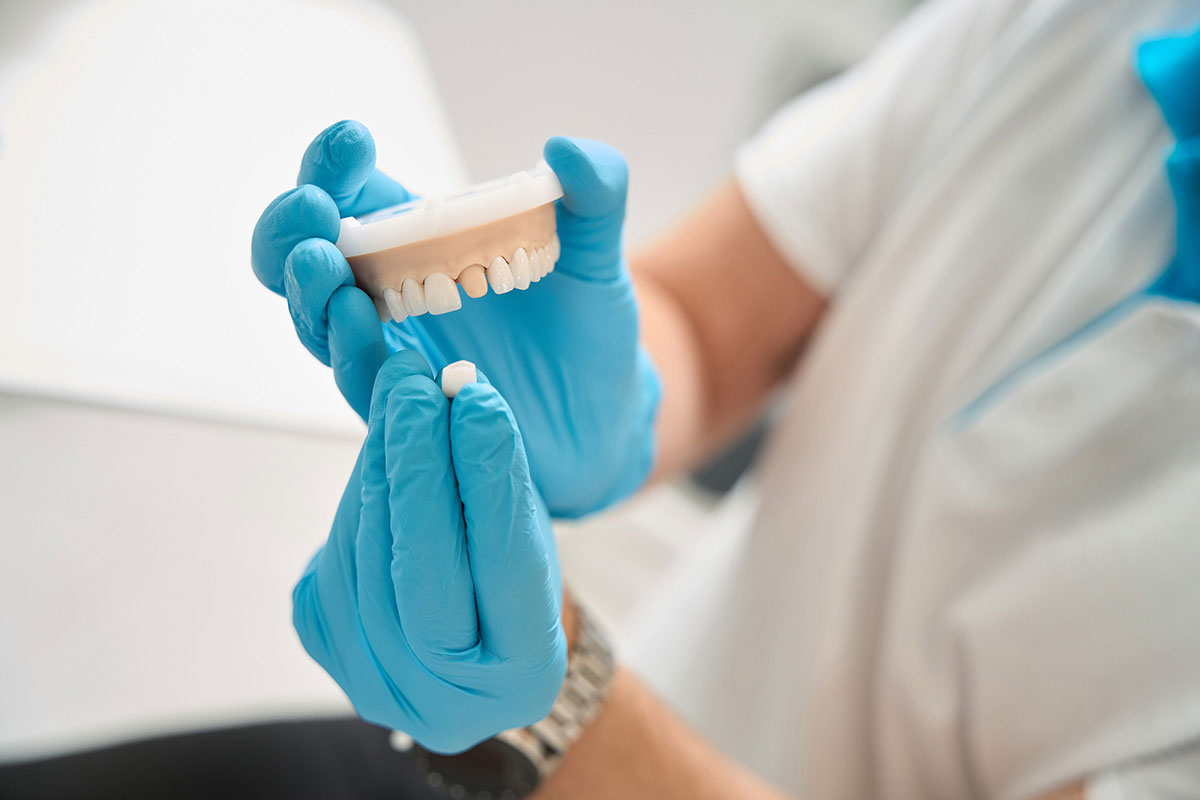
A dental crown is a custom-made restoration designed to cover and protect the visible portion of a tooth. Crowns are commonly recommended when a tooth has extensive decay, a large filling, a fracture, or has undergone certain root canal treatments.
Depending on the tooth and treatment plan, a crown may be made from ceramic, porcelain-based materials, metal, or other appropriate dental materials.
The purpose of a crown is to restore the tooth’s shape, protect weakened structure, and support comfortable chewing.
Because crowns must withstand everyday biting forces, they are designed to fit securely. However, like other dental restorations, crowns can sometimes become loose, damaged, or worn over time.
Why Do Dental Crowns Become Loose?
Several factors can contribute to a loose crown. Sometimes the cause is relatively straightforward, while other situations involve problems with the tooth underneath.
Dental Cement Failure
Many crowns are secured with dental cement. Over time, the cement may weaken or lose its bond, allowing the crown to move or detach.
If the crown remains intact and the underlying tooth is healthy, it may be possible for your dentist to clean and recement the restoration.
However, professional evaluation is necessary before determining whether reattachment is appropriate.
Decay Beneath The Crown
A crown does not make a natural tooth immune to cavities. Decay can develop near the edge of a crown, especially when plaque collects around the gumline.
As decay progresses, the tooth structure supporting the crown may weaken. Consequently, the crown may loosen or no longer fit properly.
In these cases, replacing the crown without treating the underlying problem would not provide a reliable solution.
Teeth Grinding And Clenching
Grinding and clenching place additional forces on natural teeth and dental restorations.
Over time, these forces may contribute to crown wear, fractures, or loosening. Patients who experience frequent grinding may benefit from evaluation for a protective nightguard.
Chewing Sticky Or Hard Foods
Sticky candies, chewing ice, and biting unexpectedly hard objects can place stress on dental crowns.
Although properly fitted crowns are designed for everyday chewing, unusually strong or concentrated forces may damage the restoration or its supporting tooth.
Changes In The Supporting Tooth
Sometimes a crown becomes loose because the tooth underneath has fractured or changed.
For example, a tooth with an extensive older filling or limited remaining structure may develop damage that affects crown stability.
Because the underlying cause is not always visible, a dental examination is important before selecting a repair.
Warning Signs That Your Dental Crown May Be Loose
A loose crown does not always fall off immediately. In some cases, patients notice subtle changes before complete detachment occurs.
- A crown that moves slightly when chewing
- Food repeatedly getting trapped near the crown
- An unusual taste around the affected tooth
- Sensitivity to hot or cold beverages
- Discomfort when biting
- A change in how the crown contacts neighboring teeth
- Visible separation between the crown and gumline
- A crown that feels different when touched with the tongue
If you notice these symptoms, avoid testing the crown by repeatedly moving it. Continued movement may increase the risk of damage or accidental swallowing.
What Should You Do If A Dental Crown Falls Off?
If a crown comes off, taking a few simple precautions can help protect the exposed tooth until you receive professional care.
Step 1: Save The Crown
If possible, locate the crown and place it in a clean, secure container.
Bring it to your appointment, even if you believe it is damaged. Your dentist may be able to determine whether it can be reused or whether a new restoration is needed.
Step 2: Rinse Your Mouth Gently
Rinse with lukewarm water to remove loose food particles or debris.
Avoid aggressive rinsing or using sharp objects around the exposed tooth. If the tooth feels sensitive, gentle cleaning is especially important.
Step 3: Avoid Chewing On The Affected Side
Without its crown, the underlying tooth may be vulnerable to pressure and fractures.
Choose softer foods and chew on the opposite side of your mouth until your dentist can evaluate the tooth.
Step 4: Do Not Use Household Glue
Never attempt to reattach a crown using superglue, craft glue, or another household adhesive.
These products are not intended for dental use and may harm oral tissues or interfere with proper treatment.
Temporary dental cement sold for short-term use may sometimes be appropriate, but you should follow the product directions and seek professional guidance. Do not force a crown into place or use it if the fit is uncertain.
Step 5: Contact Your Dentist Promptly
Even if the tooth is painless, arrange a dental evaluation as soon as practical.
Waiting may allow the exposed tooth to become damaged, accumulate plaque, or shift slightly. In some situations, delayed care can also make crown replacement more difficult.
Benefits Of Prompt Treatment For Loose Or Lost Dental Crowns In Tampa And Trinity
Seeking professional care when a crown becomes loose or falls off can provide several advantages for your comfort and long-term oral health.
- Protects exposed tooth structure: Timely treatment can reduce the risk of further damage to a weakened tooth.
- Helps manage sensitivity: Reestablishing appropriate protection may improve comfort when eating and drinking.
- Identifies underlying problems: A dental examination can reveal decay, fractures, or problems with the existing crown.
- May preserve the original restoration: Some intact crowns can be recemented when the supporting tooth remains healthy.
- Restores chewing function: Appropriate repair helps patients return to more comfortable everyday meals.
- Reduces further complications: Addressing the problem early may prevent additional tooth damage.
- Supports long-term restoration stability: Evaluating fit and bite forces helps guide appropriate treatment.
- Provides peace of mind: Patients receive clear recommendations instead of worrying about an exposed or vulnerable tooth.
Can A Loose Dental Crown Be Reattached?
In some cases, yes. If the crown is intact, the tooth underneath is healthy, and the restoration still fits correctly, a dentist may be able to recement it.
However, reattachment is not always the best option.
If decay has developed beneath the crown, the tooth may need treatment before the restoration can be replaced. Similarly, a fractured crown or a tooth with insufficient remaining structure may require a new treatment plan.
Your dentist will evaluate the crown, supporting tooth, surrounding gums, and bite before making a recommendation.
Importantly, a crown that repeatedly becomes loose deserves further investigation. Repeated recementation without identifying the cause may not provide a lasting solution.
What Happens During A Lost Crown Appointment?
A lost crown appointment usually begins with a discussion of what happened and whether you are experiencing pain or sensitivity.
Next, your dentist examines the tooth and the detached restoration. Dental X-rays may be recommended to evaluate areas that cannot be seen directly.
If the original crown remains suitable, your dentist may clean the tooth and crown, check the fit, and determine whether recementation is appropriate.
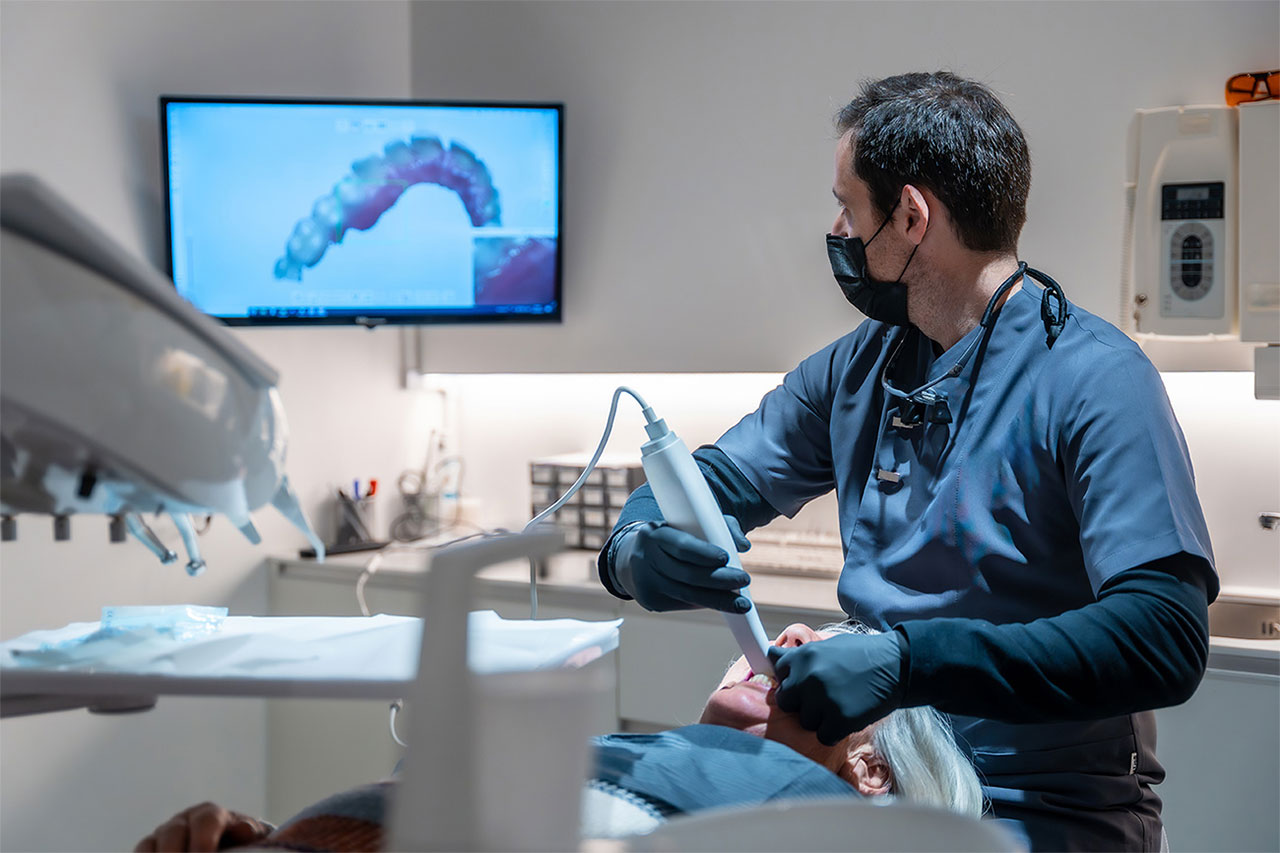
If a new crown is needed, the tooth may require additional preparation followed by an impression or digital scan.
A temporary restoration may be used while the replacement crown is being created, depending on the treatment plan.
The goal is to restore protection, comfort, and a stable bite while addressing the reason the original crown failed.
When A Lost Crown Becomes A Dental Emergency
Not every lost crown requires emergency treatment, but certain symptoms should receive prompt attention.
Severe tooth pain, significant swelling, fever, or signs of infection may indicate a problem that needs urgent evaluation.
A crown that comes off after an accident may also be associated with a tooth fracture or other injury.
If you experience uncontrolled bleeding, serious facial trauma, or swelling that makes breathing or swallowing difficult, seek emergency medical care immediately.
Otherwise, contact your dental office promptly for guidance on the appropriate appointment timing.
How To Protect A Temporary Dental Crown
Temporary crowns are often used while a permanent restoration is being made. Because they are typically secured with temporary cement, they require slightly different care.
Avoid particularly sticky foods, such as caramel or taffy, that could pull the temporary crown loose.
Additionally, use caution when biting hard foods directly on the temporary restoration.
Continue brushing gently around the area and follow your dental team’s instructions for flossing. In some cases, sliding floss out to the side rather than lifting it straight upward can help avoid dislodging a temporary crown.
If the temporary crown becomes loose, contact your dental office rather than attempting an improvised repair.
How To Help Dental Crowns Last Longer
Although crowns are durable, their longevity depends partly on the health of the supporting tooth and surrounding gums.
Brush twice daily with fluoride toothpaste and clean between your teeth every day. Focus on the area where the crown meets the gumline, because plaque can accumulate around crown margins.
In addition, avoid chewing ice and using your teeth to open packaging or bite unusually hard objects.
If you grind or clench, discuss whether a nightguard may help protect your restorations.
Routine dental examinations are equally important. Your dentist can monitor crown margins, evaluate bite forces, and look for early signs of decay or wear.
Nova Dental offers preventive dental examinations that help patients maintain both natural teeth and existing restorative work.
What If The Tooth Under The Crown Is Damaged?
Sometimes, a lost crown reveals damage that was not obvious before the restoration came off.
If a cavity is present, your dentist may need to remove the decay and evaluate how much healthy tooth structure remains.
A new crown may be possible if the tooth can be restored predictably. However, deeper damage may require root canal therapy, additional restorative procedures, or another treatment option.
If the tooth cannot be saved, your dentist can discuss replacement choices such as a dental bridge or implant restoration.
Every situation is different, so the most appropriate recommendation depends on the tooth’s condition and your overall oral health.
Frequently Asked Questions About Loose Dental Crowns
Is A Lost Dental Crown Always An Emergency?
No. A lost crown does not always require emergency treatment, but the tooth should be evaluated promptly. Severe pain, swelling, or signs of infection may require urgent attention.
Can My Dentist Reuse My Original Crown?
Sometimes. If the crown is intact, fits correctly, and the supporting tooth remains healthy, recementation may be possible. Otherwise, a replacement restoration may be necessary.
Should I Keep The Crown If It Falls Off?
Yes. Store the crown safely and bring it to your appointment. Your dentist can examine it and determine whether it can be reused.
Restore Your Comfort With Nova Dental In Tampa And Trinity
A loose or lost dental crown should never be ignored simply because the tooth is not painful. Prompt dental evaluation can help protect exposed tooth structure, identify underlying problems, and determine whether the original crown can be reattached or replaced.
If your dental crown feels loose, has broken, or has fallen off, contact Nova Dental for personalized care. Call our Tampa office at (813) 510-3156 or our Trinity office at (727) 835-6001 to book an appointment and protect your smile.