Have you noticed that one tooth looks longer than it used to, or that your gums seem to be moving away from your teeth? These changes may indicate gum recession, a common dental concern that deserves attention. Although gum recession sometimes develops slowly, it can expose sensitive tooth roots and make everyday brushing, eating, and drinking uncomfortable. At Nova Dental, our general dentistry services help patients in Tampa and Trinity understand changes in their gum health and explore appropriate care.
Gum recession treatment in Tampa and Trinity begins with identifying the reason the gums are changing. Some patients develop recession because of periodontal disease, while others experience it due to brushing habits, tooth positioning, or a combination of factors. Fortunately, recognizing recession early can help protect exposed surfaces and reduce the risk of additional complications.
What Is Gum Recession?
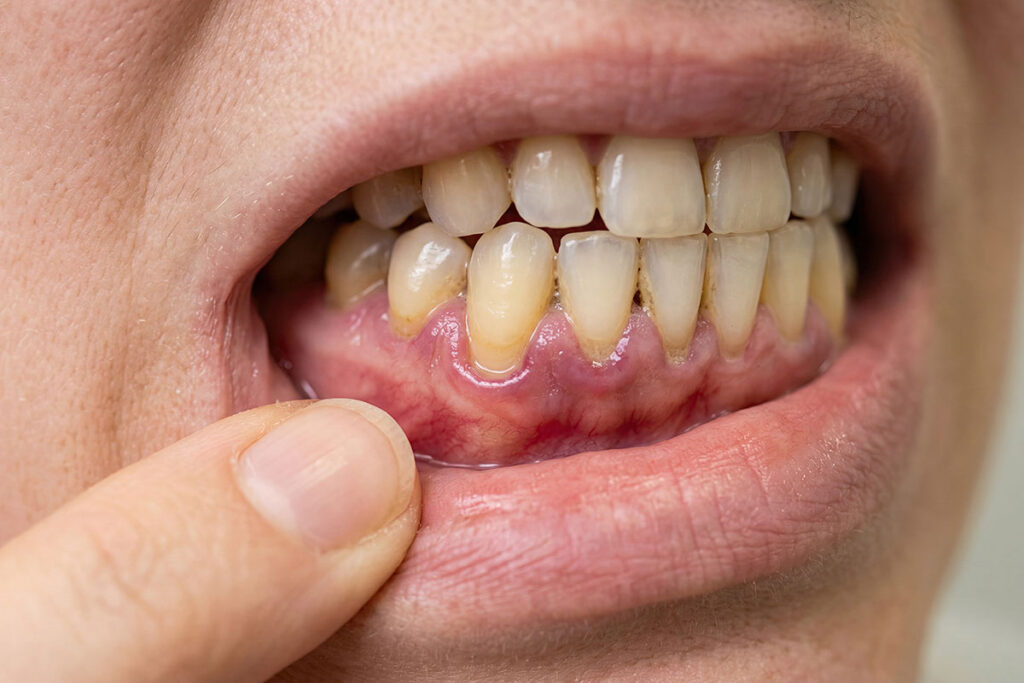
Gum recession occurs when the gum tissue surrounding a tooth moves away from its normal position, exposing more of the tooth or part of the root. Because roots do not have the same protective enamel as tooth crowns, these exposed areas may become more sensitive and vulnerable to decay.
Healthy gum tissue forms an important protective barrier around the teeth. It helps shield the roots from bacteria, food particles, and daily irritation. When that tissue recedes, the affected tooth may look longer, and small spaces may develop near the gumline.
Gum recession can affect one tooth, several teeth, or larger areas of the mouth. In addition, it may progress gradually enough that patients do not recognize the changes immediately.
Unfortunately, receded gum tissue generally does not grow back to its original position without treatment. However, addressing the cause can often help stabilize the area and protect the remaining tissue.
What Causes Gums To Recede?
Several conditions and habits can contribute to gum recession. Identifying the underlying cause is important because treatment should address more than the visible change.
Periodontal Disease
Gum disease is an important cause of recession. When plaque and tartar accumulate around teeth, bacteria can create inflammation in the surrounding tissues.
In advanced cases, the gums and supporting bone may become damaged. As this process continues, the gums can pull away from their original position.
Because periodontal disease does not always cause pain, regular dental examinations are important for detecting changes before significant damage develops.
Aggressive Brushing
Brushing too forcefully can contribute to gum irritation and recession, particularly when combined with other risk factors. Hard toothbrush bristles and repeated horizontal scrubbing may place unnecessary pressure on delicate gum tissue.
Fortunately, switching to a soft-bristled toothbrush and using gentle circular movements can help protect the gums.
Teeth Grinding And Bite Concerns
Grinding and clenching may place additional stress on teeth and supporting structures. Although grinding alone is not established as a direct cause of gum recession, it may contribute to tooth wear and other conditions requiring evaluation.
If your dentist identifies grinding, a protective nightguard or other appropriate care may be recommended.
Tooth Position And Gum Tissue Thickness
Some teeth naturally sit farther toward the front or outside of the jawbone. In addition, certain individuals have thinner gum tissue, which may be more vulnerable to recession.
Orthodontic history, natural anatomy, and changes in tooth position may influence the location and severity of recession.
Tobacco Use
Tobacco use can interfere with gum health and tissue healing. It also increases the risk of periodontal disease, which may contribute to recession and eventual tooth loss.
Reducing or eliminating tobacco use can support healthier gums and improve long-term oral health.
Common Warning Signs Of Gum Recession
Gum recession may not always cause obvious discomfort. However, several changes should prompt a professional evaluation.
- Teeth that appear longer than before
- Increased sensitivity to hot or cold foods
- Visible root surfaces near the gumline
- Notches or grooves where the tooth meets the gum
- Gums that appear uneven around neighboring teeth
- Bleeding during brushing or flossing
- Persistent bad breath or gum tenderness
- Changes in tooth stability or spacing
Not every symptom indicates periodontal disease. Nevertheless, early assessment allows your dentist to identify whether recession is related to inflammation, brushing habits, anatomy, or another factor.
Benefits Of Gum Recession Treatment In Tampa And Trinity
Addressing gum recession can improve comfort while helping preserve the tissues and structures that support healthy teeth.
- Protects exposed roots: Appropriate care can help reduce risks associated with root exposure.
- Reduces sensitivity: Treatments may make cold beverages, brushing, and everyday meals more comfortable.
- Supports healthier gums: Identifying periodontal inflammation allows necessary treatment to begin.
- Helps prevent additional tissue loss: Managing contributing factors may slow or stop further recession.
- Improves cleaning habits: Personalized brushing guidance can reduce unnecessary irritation.
- Protects natural teeth: Stabilizing gum health supports the long-term preservation of existing teeth.
- Identifies hidden concerns: Dental examinations can reveal cavities, root wear, and periodontal problems.
- Supports confidence and comfort: Patients can better understand gum changes and available treatment options.
How Gum Recession Is Evaluated At The Dentist
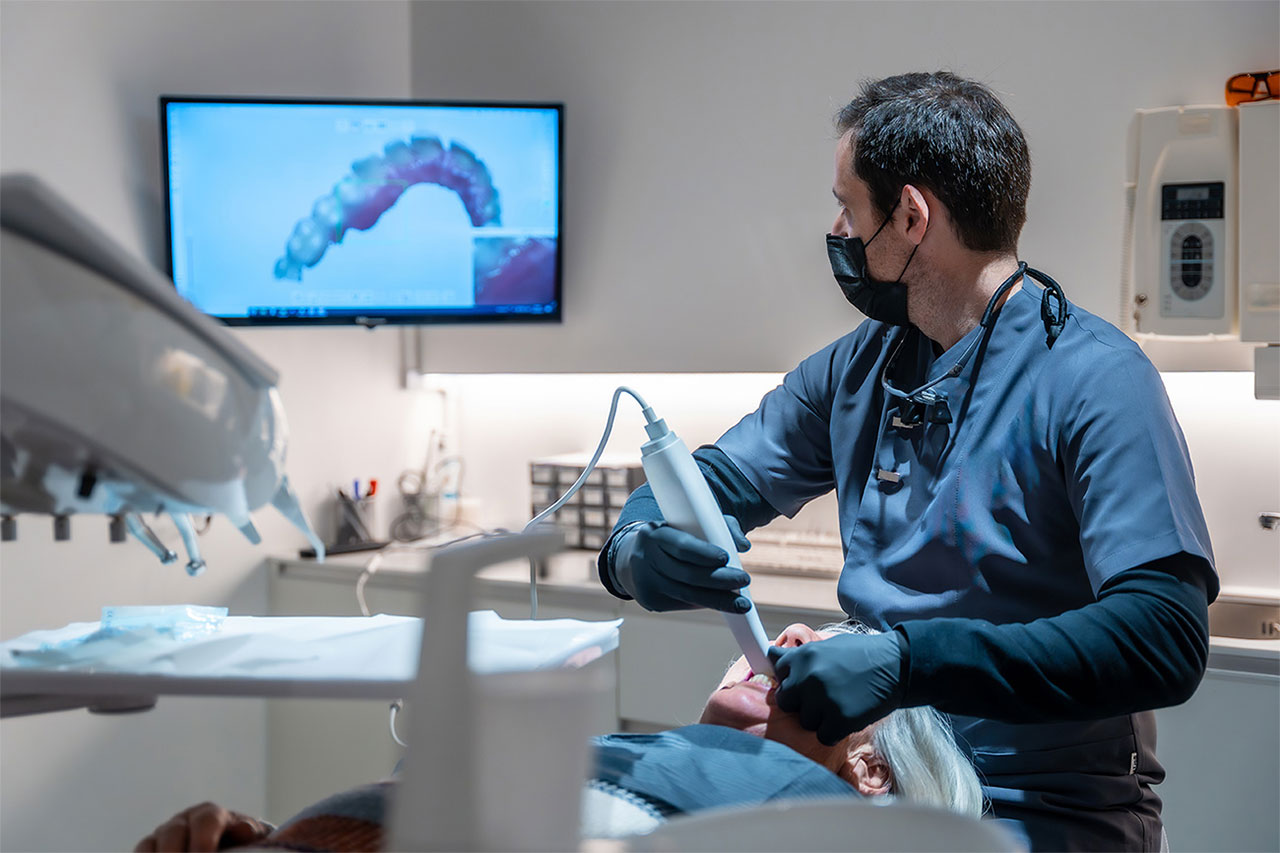
A gum recession evaluation typically begins with a review of your medical and dental history. Your dentist may ask about sensitivity, bleeding, tobacco use, brushing habits, and previous gum treatment.
Next, the dental team examines the position of your gums and measures the spaces between the teeth and surrounding tissues. These measurements help identify gum pockets and determine whether periodontal disease is present.
Dental X-rays may also be recommended when necessary to evaluate bone support around the teeth.
In addition, your dentist will consider tooth alignment, existing restorations, and areas of exposed root surface. This information helps create a treatment plan based on the cause and severity of your recession.
Common Treatment Options For Gum Recession
Improved Brushing And Home Care
For mild recession associated with excessive brushing pressure, a change in technique may help prevent further damage.
Your dental team may recommend a soft toothbrush, gentle movements, and a nonabrasive fluoride toothpaste. Patients who have difficulty controlling brushing pressure may benefit from an electric toothbrush with a pressure sensor.
Professional Cleaning And Periodontal Care
If gum disease contributes to recession, professional treatment may be necessary. Depending on the condition of the gums, this may include dental cleaning, scaling and root planing, or periodontal maintenance.
Scaling and root planing removes bacterial deposits from below the gumline and helps manage periodontal inflammation. However, it does not automatically restore lost gum tissue.
Regular maintenance can help control disease progression and protect remaining support.
Desensitizing Treatments
Exposed roots can create discomfort when they contact cold foods, air, or a toothbrush.
Depending on the affected area, your dentist may recommend desensitizing toothpaste, fluoride products, or other treatments that help reduce sensitivity.
These options can improve comfort while the underlying cause of recession is addressed.
Tooth-Colored Bonding
In some cases, exposed root surfaces or notched areas near the gumline may be protected with tooth-colored dental bonding.
Bonding can help cover vulnerable tooth structure and reduce sensitivity when appropriate. However, it does not replace missing gum tissue or eliminate the need for periodontal care.
Nova Dental provides restorative dental services that may be considered when exposed tooth surfaces require repair.
Periodontal Referral And Gum Grafting
More significant recession may require evaluation by a periodontal specialist. In selected cases, gum grafting can help increase tissue coverage, improve root protection, or create a more stable gumline.
Whether gum grafting is appropriate depends on the amount of recession, remaining tissue, bone support, and other clinical factors.
Your dentist can explain whether specialized evaluation is needed.
How To Prevent Gum Recession From Getting Worse
Although not every case of gum recession is preventable, several habits can help protect vulnerable tissues.
Start by brushing twice daily with a soft-bristled toothbrush and light pressure. Rather than scrubbing forcefully, use small, controlled movements around the gumline.
Additionally, clean between your teeth every day. Floss, interdental brushes, or other appropriate cleaning tools help remove plaque that may otherwise contribute to gum inflammation.
Avoid using toothpicks or sharp objects aggressively near the gums. If you frequently experience bleeding, do not stop cleaning the area entirely. Instead, arrange an evaluation so the cause can be identified.
Because tobacco increases periodontal risks, avoiding smoking and other tobacco products can also support healthier gums.
Finally, keep a dental appointment schedule appropriate for your individual risk level. Patients with periodontal disease may require more frequent care than those with consistently healthy gums.
Why Early Gum Recession Treatment Matters
Gum recession is often easier to manage when identified before extensive root exposure or supporting bone loss occurs. Early evaluation can help determine whether a simple change in brushing technique is sufficient or whether additional treatment is necessary.
Patients sometimes wait because the affected tooth does not hurt. However, exposed root surfaces may develop sensitivity or decay even when initial symptoms are minimal.
Furthermore, gum recession can occur alongside periodontal disease. Addressing these concerns early helps protect the tissues responsible for supporting natural teeth.
At Nova Dental, routine examinations provide an opportunity to monitor gum changes and discuss practical ways to maintain healthy tissues.
Frequently Asked Questions About Gum Recession
Can Receding Gums Grow Back Naturally?
Receded gums generally do not grow back to their original position naturally. However, treating the cause can help stabilize the condition, and certain patients may benefit from specialized procedures such as gum grafting.
Does Gum Recession Always Mean Gum Disease?
No. Gum disease is one important cause, but recession may also be associated with tooth position, thin gum tissue, brushing habits, and other factors. A professional examination can help identify the reason.
Can Gum Recession Make Teeth Sensitive?
Yes. When gum tissue moves away from the tooth, the exposed root surface may react more strongly to cold temperatures, certain foods, and brushing.
Protect Your Gum Health With Nova Dental
Healthy gums play an essential role in protecting your teeth. Recognizing recession early, improving daily habits, and following a personalized dental care plan can help preserve your natural smile and reduce unnecessary discomfort.
If you have noticed receding gums, exposed roots, or increasing tooth sensitivity, contact Nova Dental to schedule an evaluation. Call our Tampa office at (813) 510-3156 or our Trinity office at (727) 835-6001. Book an appointment and learn how personalized gum care can help protect your oral health.