Your tooth enamel works hard every day, protecting your teeth while you eat, drink, speak, and smile. However, everyday habits and certain health conditions can gradually weaken this protective surface. When enamel wears away, teeth may become more sensitive, appear different in color, or become vulnerable to damage. At Nova Dental, our general dentistry services help patients in Tampa and Trinity recognize early warning signs and take practical steps to protect their teeth.
Tooth enamel erosion in Tampa and Trinity is a concern for patients of many ages, including those who brush regularly and maintain healthy dental routines. Because enamel erosion can develop gradually, many people do not notice changes until sensitivity or visible wear appears. Fortunately, understanding the causes, identifying symptoms early, and seeking professional guidance can help prevent additional damage.
What Is Tooth Enamel Erosion?
Tooth enamel is the hard outer covering of your teeth. It protects the more sensitive layers underneath and helps your teeth withstand everyday chewing. Although enamel is incredibly strong, it is vulnerable to repeated exposure to acids.
Tooth enamel erosion occurs when acids gradually dissolve minerals from the enamel surface. Over time, repeated acid exposure can cause permanent loss of tooth structure. Unlike some other tissues in the body, enamel cannot grow back once it has been physically lost.
However, early mineral loss may be improved through fluoride, saliva, and preventive care before significant erosion occurs. This makes early recognition especially important. When patients understand how enamel erosion develops, they can adjust habits before extensive dental treatment becomes necessary.
What Causes Tooth Enamel Erosion?
Several factors can contribute to enamel erosion. Sometimes one habit is responsible, while other patients experience a combination of dietary, medical, and lifestyle influences.
Acidic Foods And Beverages
Frequent exposure to acidic beverages is a common contributor. Soda, sports drinks, energy drinks, citrus juices, and flavored sparkling waters may contain acids that gradually weaken enamel.
Even beverages without added sugar can be acidic. Therefore, choosing a sugar-free drink does not necessarily eliminate the risk of enamel erosion.
Acidic foods, including citrus fruits, vinegar-based dressings, and certain sour candies, may also contribute when consumed frequently. The frequency of exposure often matters as much as the amount consumed.
Acid Reflux And Digestive Conditions
Stomach acid can damage enamel when it repeatedly reaches the mouth. Patients with gastroesophageal reflux disease, commonly called GERD, may experience erosion on surfaces that are difficult to see.
Some people have reflux without obvious heartburn. As a result, unusual enamel wear identified during a dental examination may be an important reason to discuss possible reflux symptoms with a medical professional.
Dry Mouth
Saliva helps neutralize acids and supports the natural mineral balance of tooth enamel. When saliva production decreases, acids may remain in contact with teeth longer.
Dry mouth can result from medications, dehydration, mouth breathing, and certain medical conditions. Consequently, patients experiencing chronic dryness may need additional preventive strategies.
Frequent Acid Exposure And Brushing Habits
Brushing is essential, but brushing immediately after an acidic drink or meal can increase wear on temporarily softened enamel. Instead, rinsing with water and allowing time for saliva to neutralize acids before brushing may be helpful.
Using excessive brushing pressure or abrasive products can also contribute to tooth surface wear, although this mechanical damage is different from acid erosion.
Early Warning Signs Of Enamel Erosion
Enamel erosion often develops slowly. Therefore, recognizing subtle changes can help prevent further damage.
- Increased sensitivity to cold or hot beverages
- Teeth that appear more yellow as underlying dentin becomes visible
- Rounded or worn tooth edges
- Small indentations on chewing surfaces
- Teeth that look unusually smooth or shiny
- Greater sensitivity when eating acidic foods
- Thin or translucent edges on front teeth
- Changes in the appearance of older fillings or restorations
These symptoms can have other causes, including cavities, gum recession, or teeth grinding. Therefore, a dental examination is important for an accurate diagnosis.
Benefits Of Early Tooth Enamel Erosion Treatment In Tampa And Trinity
Recognizing enamel erosion early provides several important advantages for long-term dental health. While lost enamel cannot regenerate, timely care can help control contributing factors and protect remaining tooth structure.
- Protects remaining enamel: Early intervention can reduce additional acid-related damage.
- Helps manage sensitivity: Personalized treatments may reduce discomfort when eating or drinking.
- Supports natural tooth preservation: Preventive care may reduce the need for more extensive restorations.
- Identifies underlying causes: Dental evaluations can reveal patterns associated with diet, dry mouth, or reflux.
- Improves daily comfort: Managing erosion can make ordinary eating and drinking more comfortable.
- Protects existing dental work: Monitoring enamel wear can help preserve fillings, crowns, and other restorations.
- Encourages healthier habits: Patients receive practical guidance for protecting their teeth between appointments.
- Supports long-term oral health: Consistent monitoring allows treatment recommendations to change as dental needs evolve.
How Dentists Diagnose Enamel Erosion
During an examination, your dentist evaluates the surfaces of your teeth for characteristic patterns of enamel loss. Certain teeth or areas may show more damage depending on the source of acid exposure.
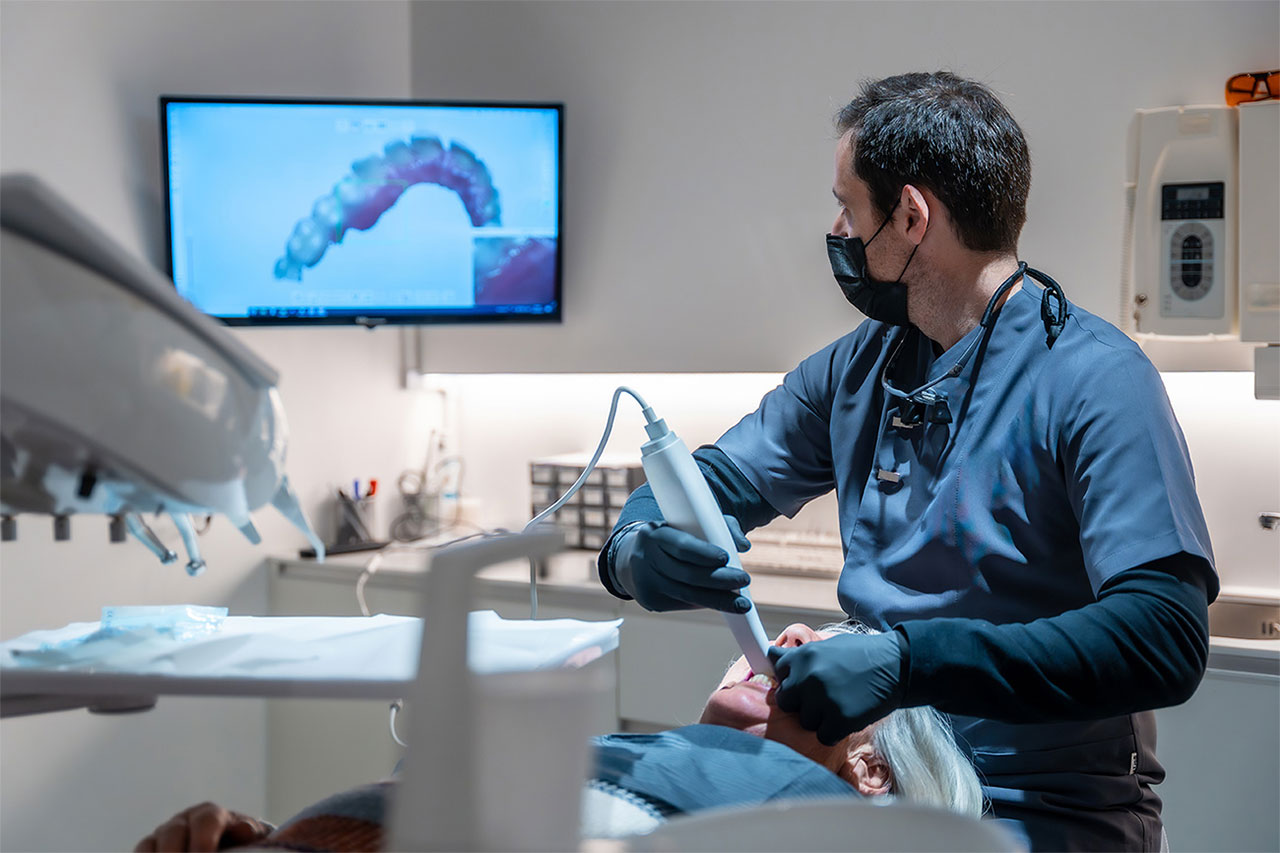
Your dental team may also review your diet, medications, health history, sensitivity symptoms, and brushing habits. In addition, photographs or digital scans may help document changes over time.
Not every patient requires the same diagnostic procedures. However, a personalized evaluation helps distinguish acid erosion from grinding, cavities, and other conditions that may require different treatment.
At Nova Dental, regular dental exams and preventive care provide opportunities to identify subtle changes before they become larger concerns.
How To Protect Your Teeth From Acid Erosion
Small daily changes can make a meaningful difference. Because enamel erosion is often related to repeated exposure, reducing the frequency of acidic conditions is particularly important.
Drink Water More Frequently
Water helps rinse away food particles and dilute acids. Choosing water between meals is one of the simplest ways to reduce ongoing acid exposure.
For patients living in Tampa and Trinity, especially those spending time outdoors in Florida’s warm climate, regular hydration also supports comfortable saliva production.
Limit Frequent Sipping Of Acidic Drinks
Drinking an acidic beverage slowly throughout the day repeatedly exposes teeth to acid. Having the beverage with a meal rather than sipping continuously may reduce how often enamel is challenged.
Additionally, drinking water afterward can help clear remaining acids from the mouth.
Wait Before Brushing After Acid Exposure
Although brushing after meals is generally helpful, brushing immediately after consuming acidic foods or beverages may increase surface wear. Consider rinsing with water first and waiting approximately 30 to 60 minutes before brushing.
During that time, saliva can help restore a healthier oral environment.
Use Fluoride Toothpaste
Fluoride helps strengthen remaining enamel and supports remineralization of early weakened areas. Brushing twice daily with fluoride toothpaste is an important protective habit.
Some patients with elevated erosion or cavity risk may benefit from additional fluoride products recommended by their dentist.
Address Dry Mouth And Reflux
If dry mouth or acid reflux contributes to enamel erosion, managing those conditions may be necessary to reduce ongoing damage.
Your dentist can suggest oral health strategies and recommend medical evaluation when symptoms suggest an underlying condition.
Treatment Options For Damaged Tooth Enamel
Treatment depends on how much enamel has been lost and whether the teeth are sensitive, weakened, or changing in appearance.
For early concerns, your dentist may recommend fluoride products, dietary changes, desensitizing treatments, and monitoring. These approaches focus on preserving existing structure and reducing the risk of continued erosion.
If enamel loss is more advanced, tooth-colored bonding may cover exposed areas or restore worn edges. When extensive damage affects chewing surfaces or overall tooth strength, dental crowns may provide additional protection.
Patients with multiple worn teeth may need a broader restorative treatment plan. Nova Dental offers restorative dentistry options that can be discussed when enamel damage requires repair.
Importantly, treating the underlying cause remains essential. A restoration can repair damage, but continued acid exposure may affect other teeth and future treatment results.
Why Regular Dental Visits Matter For Enamel Health
Enamel erosion does not always cause noticeable pain in its earliest stages. This is why routine appointments are valuable even when your teeth feel normal.
Professional examinations allow your dentist to compare tooth surfaces over time, evaluate sensitivity, and identify patterns of wear. In addition, your dental team can recommend adjustments to products and habits based on your individual needs.
Because enamel erosion, grinding, and cavities may occur together, comprehensive dental care helps address the complete picture rather than focusing on one symptom.
Frequently Asked Questions About Tooth Enamel Erosion
Can Tooth Enamel Grow Back?
No. Once enamel structure is physically lost, the body cannot regenerate it. However, early mineral loss may be improved through fluoride and healthy oral conditions before significant structural damage occurs.
Does Tooth Enamel Erosion Always Cause Pain?
No. Some patients experience little or no discomfort initially. Sensitivity may develop as erosion progresses and the underlying dentin becomes more exposed.
Can Dental Bonding Help With Enamel Erosion?
Yes. Depending on the location and extent of damage, dental bonding may restore worn areas, reduce exposed surfaces, and improve tooth appearance. Your dentist will determine whether bonding or another option is appropriate.
Protect Your Smile With Nova Dental In Tampa And Trinity
Tooth enamel erosion is easier to manage when warning signs are recognized early. With thoughtful dietary habits, consistent oral hygiene, and personalized dental care, patients can protect remaining enamel and reduce the chance of future complications.
If you have noticed increased sensitivity, worn edges, or changes in your teeth, Nova Dental can help you understand what is happening. To schedule a dental examination, call our Tampa office at (813) 510-3156 or our Trinity office at (727) 835-6001. Book an appointment and discover how preventive care can help protect your smile.